


Emerging Robotics Trends Revolutionizing Industries
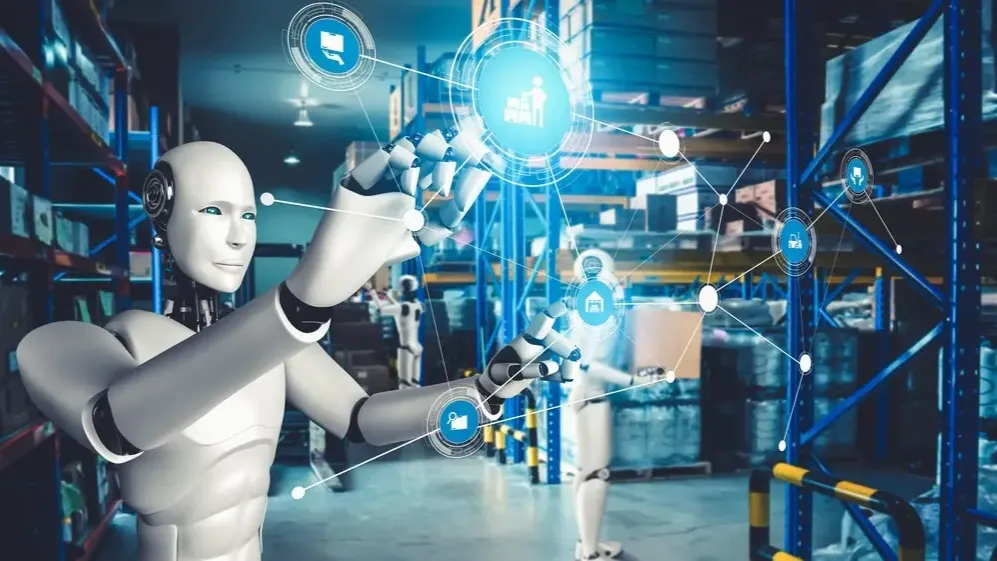

Robotics is no longer a dream of the future but an integral part of today’s industries. It has changed how we innovate, work, and produce. Integration of advanced robotics in various sectors has become a necessity to ensure efficiency, safety, and competitiveness. Robotics improves productivity in industries ranging from manufacturing to healthcare and allows businesses to do more with fewer resources. Robots are becoming smarter, more adaptable, and cheaper as technology advances. Such progress is resulting in their widespread adoption across all industries. Emerging trends in robotics are driving this transformation, which is defining the future of industrial processes and work.
Human-Robot Collaboration and Collaborative Robots
Cobots are designed to replace humans, not work with them. They have become one of the most significant developments of recent years. These robots have advanced sensors, AI capabilities, and safety features that enable them to work safely near people. Cobots have become popular in assembly and manufacturing lines, where robots and humans can share repetitive tasks. Cobots can reduce injuries by taking on repetitive or physically demanding work. They also allow humans to concentrate on more creative and complex tasks. This seamless human/robot interaction transforms workplace dynamics, making robotics more affordable for small and mid-sized businesses.
Ai in Robotics
Artificial intelligence and machine learning are enabling robots to become smarter and more autonomous. They can also handle complex tasks without human supervision. AI-powered robotics are able to perform tasks that were previously unattainable for machines. In logistics, AI robots optimize delivery routes in real time, and in healthcare, robotic surgical assistants analyze patient data for precision surgery. Robots are becoming more and more important in the decision-making process and in operational planning.
Automation in Manufacturing and Production
Recent trends have taken automation to new levels. Robotic systems can now handle more complex assembly processes and quality inspections. They can also produce customized products at a large scale. Robots that integrate sensors, vision systems, and AI algorithms can adapt to material variations, identify defects, and maintain consistency in output without downtime. This level of adaptability and precision helps manufacturers to reduce waste, improve the quality of products, and shorten their production cycles. This results in a cost-effective and sustainable manufacturing process that can quickly respond to market demand.
Robotics in Healthcare and Medical Fields
Robotics plays a vital role in the healthcare industry, improving patient outcomes and streamlining operations. It also helps to expand access to medical treatment. The use of surgical robots, rehabilitation tools, and automated diagnostic devices is increasing. These systems provide unmatched precision and reduce recovery times while minimizing risks. Assistive robots are also revolutionizing elder care. They provide companionship, monitor vital signs, and assist with daily activities. Robotic automation in laboratories accelerates research by automating repetitive tests and analyzing results faster than humans. The integration of robotics in healthcare improves both the quality and access of medical services around the world.
Agricultural Robotics & Smart Farming
Agriculture is using robotics to address labor shortages and climate challenges. It also helps increase efficiency. Agribots are used to monitor crop health and manage pests. They can also be used for harvesting. These robots, which are equipped with AI and imaging technology, can detect plant diseases early, optimize irrigation, and ensure minimal resource waste. Drones and autonomous tractors are helping to make farming more data-driven. Such information helps farmers make better decisions and increase sustainability and yield. As global food demand increases, agricultural robotics will play a major role in feeding a growing population and reducing environmental impact.
Robotics for Hazardous and Extreme Environments
Robotics can operate in dangerous environments or places that are inaccessible for humans. Robots are used in space missions, deep-sea exploration, disaster response, and mining. These machines can withstand high temperatures, pressures, and hazardous materials. They are able to carry out tasks that humans would consider dangerous or impossible. Robotic systems, for example, can investigate collapsed buildings following earthquakes, fix infrastructure in radioactive zones, or collect data on the ocean floor. Not only does this capability save lives, but it also expands our ability to understand and explore the world.
Conclusion
Robotics is revolutionizing industries through its efficiency, precision, and adaptability. Robotics, from collaborative robots working alongside humans to AI-powered machines that can make decisions, is revolutionizing how businesses function. Robotics has spread beyond manufacturing to include healthcare, logistics, and agriculture. Consumer services are also embracing robotics. The potential applications of robots will continue to expand as technology advances, creating new opportunities for growth and innovation. The benefits of robotics are unquestionable. While there remain challenges, such as workforce adaptation and ethical concerns, they will continue to grow.
FAQs
1. Which industries are most likely to benefit from robotics?
Robotics is used in manufacturing, healthcare, logistics, and agriculture.
2. Will robots replace human workers?
Robots replace repetitive and hazardous tasks and open up new career opportunities in robotics programming, maintenance, and system integration.
3. How does AI affect robotics?
AI allows robots to adapt and learn complex tasks on their own, making them more efficient and versatile in different industries.
4. Is robotics affordable to small businesses?
Robotics solutions for small and mid-sized businesses are becoming more accessible due to technological advancements and reduced production costs.
5. What is the future for robotics?
Future robotics will be more integrated with AI, IoT, and other emerging technologies. This will enable smarter, connected, and highly autonomous robots across all industries.

Ethan Cross
- Updated:
- Price $0
On our site you can easily download latest version Emerging Robotics Trends Revolutionizing Industries! All without registration and send SMS!