


How to Restore Vintage Electronics
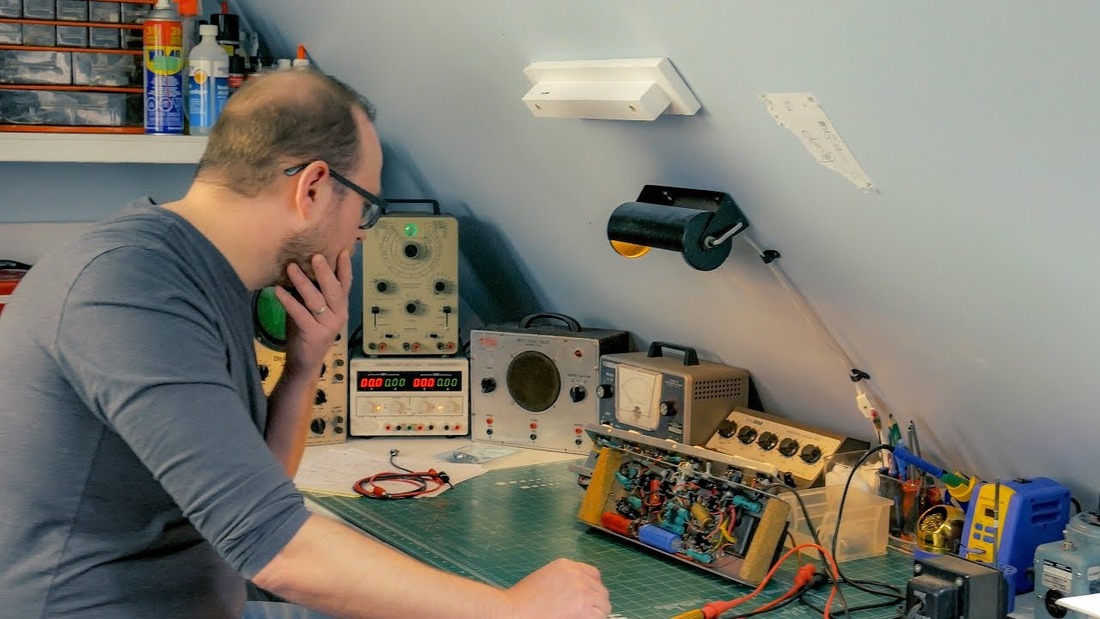

Restoring vintage electronics is a rare combination of history, craftsmanship, and science. These vintage radios, record players, game consoles, and amplifiers tell stories from the ages. Many collectors and artists enjoy breathing new life into them, not only for nostalgia but also to demonstrate how technology has evolved. With patience and the right steps, tools seemingly destined to be discarded can be given a new life.
However, restoring vintage electronics requires care, attention to detail, and a passion for learning. Simply restoring old parts isn’t enough; restoring the machine to working order must respect its original design. This guide will show you how to restore vintage items and provide information, practical tips, and safety advice to ensure a smooth process. Whether you’ve completed extensive restoration work or are just starting out, this journey will be enjoyable and rewarding.
Determining the Condition of Old Electronics:
The first step in restoring an old device is to carefully inspect its current condition. First, inspect the exterior for damage, such as cracks, rust, missing keys, or broken switches. Then, inspect the internal components. Inspect the wires for rust, burnt resistors, leaking capacitors, and dust buildup. Understanding the overall condition of the device will help you determine whether it can be fully repaired or whether certain parts need to be replaced.
Some older devices only need cleaning and minor adjustments, while others require extensive repairs. Taking careful notes and photos during the inspection will help you navigate the restoration process and provide a reference if professional assistance is needed. Many older devices may utilize components or connections that are no longer standard. Finding replacement parts early can save you a lot of time and effort later.
Cleaning the Electronic Device in Preparation for Restoration:
Cleaning is an essential part of restoring older devices. Rust, dirt, and dust can slow down a device and even cause circuits to malfunction. First, use a soft brush and compressed air to remove fine dust. Wipe the circuit boards, buttons, and casing with isopropyl alcohol and a microfiber cloth to remove stubborn dirt. Rust remover or fine sandpaper can often restore rusted metal parts to their original condition.
However, before cleaning, check that they are not connected to any circuits. Ensure adequate ventilation; a clogged fan can cause the device to overheat after use. Connectors, jacks, and switches should also be cleaned, as these can rust over time and impede signal transmission. Ensuring every surface and jack is clean will keep your device working as well as it did decades ago. This step can also help you discover hidden damage that may not be visible during the initial inspection.
Reassembling or Repairing Parts:
After cleaning the device, you should repair any damaged parts. Used electronics often contain faulty capacitors, cracked solder joints, and worn switches. First, consider electrolytic capacitors. These deteriorate over time and can cause various performance issues. Depending on the device, replacing them with new capacitors can significantly impact sound quality, power supply stability, or image clarity. Remove damaged components with a soldering iron, paying close attention to the wire placement and polarity.
You may also need to replace resistors, diodes, and tubes, but by finding parts that match the original period, you can ensure their authenticity. If original parts are unavailable, you can use existing replacements that closely match the original. Always test each new component before reassembling the entire device. Patience and caution are required, as a single incorrect connection can cause significant damage or endanger personnel.
Testing and Tweaking the Fixed Device:
After completing repairs, it is crucial to test your restored device to ensure its functionality and safety. To keep the device from getting too hot, power it through a variac or isolation generator first. Gradually raise the voltage and watch how it works, listening for strange sounds, making sure it doesn’t get too hot, and checking the output quality. For audio equipment, try different sound frequencies and volume levels. Verify the picture’s stability and color accuracy with video equipment.
For fine-tuning, you might need to align dials, change internal trimmers, or recalibrate circuits. The aim is to restore the device to its original state and ensure it is stable enough for daily use. Writing down the changes you made will help with future maintenance or if the gadget needs more repairs. Once everything is working properly, you might want to protect your restored vintage treasure with surge breakers or a controlled environment to make it last longer.
Conclusion:
It takes both technical skill and a strong desire to fix up old gadgets. Each project has its challenges and benefits, and they all show how people used to work and think about design in the past. When you carefully check out, clean, repair, and tweak your device, you not only bring it back to life, but you also keep a piece of history alive for future generations. It’s a very satisfying process that blends being creative, solving problems, and honoring the history of engineering. The work you put into restoring something will always show in the end, whether you’re doing it for fun, to show off, or to sell. Keep in mind that each old object carries a unique story, which you can retell through restoration. Take your time, be careful, and enjoy the process. Hearing the familiar sounds of that vintage radio station or witnessing the revival of that old machine will ultimately make the effort worthwhile.
FAQs:
1. Is it safe to fix up old gadgets at home?
Yes, but only if you know how to handle gadgets safely and follow the right safety rules.
2. What is the best place to obtain spare parts for old electronics?
Online markets, tech stores, and donor devices are often excellent places to find parts.
3. How long does it usually take to repair something?
It could take anywhere from a few hours to a few weeks, depending on the state and how challenging it is.
4. Do I need special tools to fix up old electronics?
A soldering iron, a multimeter, and screwdrivers are basic tools that you must have. However, some jobs may need more specialized tools.
5. Will fixing up an old gadget lower its value?
If done right with parts that are true to the period, repair can raise the value, but if it’s too modernized, it may make the item less collectible.
How do I update without losing my data?
Make sure the update comes from this same website or has the same digital signature. If you try to install a version with a different signature over the current one, the system will give a "Package Conflict" error and force you to delete the old version.How to download?
Just wait a few seconds and click the download button. Easy, right?Broken link or incorrect information?
If you notice a broken link or an incorrect file version, please report it immediately using our contact form. Our technical team will fix it as soon as possible so you can continue enjoying your favorite apps/games without interruption.How do you guarantee the safety of your downloads?
We implement a multi-layered review system. We analyze the code of each APK for suspicious signatures and perform installation tests in secure environments. You can download with confidence, knowing that the file you receive is exactly what we promise, with no hidden surprises.

Ethan Cross
I always update the latest MOD APKs, ensuring they are safe – easy to install, helping you download APKs quickly and experience premium features completely free of charge.
- Updated:
- Price $0
On our site you can easily download latest version How to Restore Vintage Electronics! All without registration and send SMS!